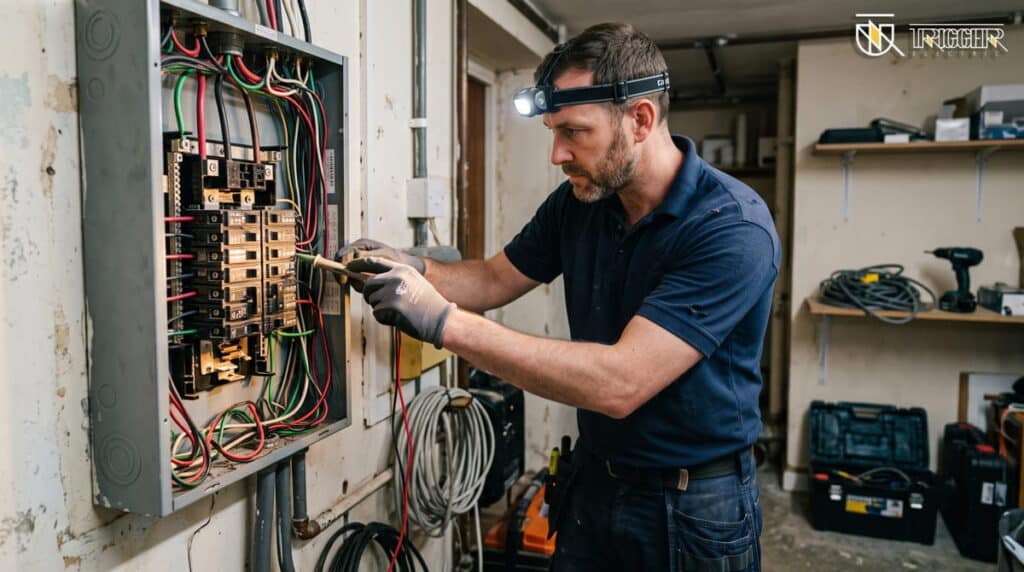

Introduction
A strange electrical issue in your home is easy to dismiss. A light flickers once in a while, a breaker shuts off after using several appliances, or an outlet feels warmer than expected. Because the home is still operating, many homeowners decide to wait and see if the problem disappears.
Electrical issues rarely fix themselves. Unlike a dripping faucet or a damaged floor that becomes obvious quickly, electrical problems often develop quietly behind walls, inside outlets, or within your electrical panel. A loose connection, aging wire, or overloaded circuit may continue working for months while creating additional stress on your electrical system.
This is a common situation in Vancouver homes. Many neighbourhoods have a combination of older houses and modern renovations. A property may have a renovated kitchen, new appliances, and upgraded living spaces while still depending on an electrical system that was installed decades ago.
Modern households use much more electricity than homes did in the past. Computers, home offices, electric vehicles, heat pumps, induction cooking, entertainment systems, and smart home devices all add demand.
The question is not only whether your electrical system works today. The more important question is whether it is operating safely and whether it can handle your current lifestyle.
Why Small Electrical Problems Can Become Bigger Issues
Electrical problems are different from many other home repairs because the source is often hidden. A plumbing issue may leave water stains. A roof problem may create visible damage. Electrical issues can remain unnoticed until they become serious.
A loose electrical connection is a good example. Electricity can still pass through the connection, but the poor contact creates resistance. Resistance creates heat. Over time, that heat can damage insulation, wiring, and electrical components.
Many homeowners also assume that if a breaker has not tripped, there is no problem. That is not always true. Some electrical problems develop slowly and do not immediately activate safety devices.
During electrical inspections, electricians often look beyond the obvious symptoms. They check connections, panel condition, wiring quality, and whether the system is suitable for the home’s current needs.
Flickering Lights That Keep Coming Back
Flickering lights are one of the most common electrical complaints homeowners experience. Sometimes the cause is simple, such as a loose bulb or an old fixture. However, repeated flickering throughout the home can indicate a deeper issue.
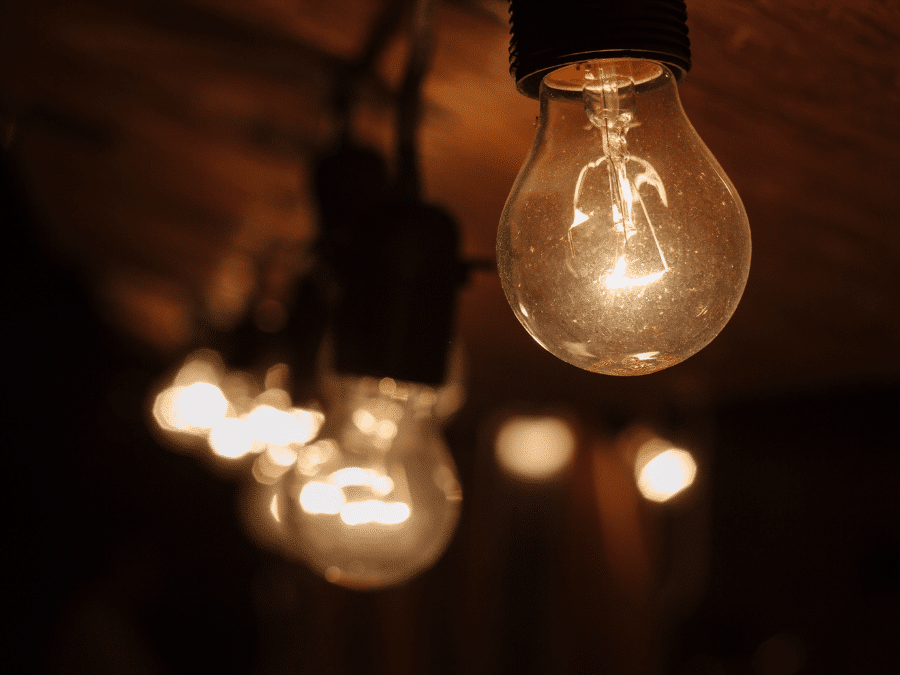
Common causes include loose connections, overloaded circuits, aging wiring, voltage fluctuations, or electrical panel problems.
A common example is when lights dim every time a large appliance starts. A dryer, microwave, heat pump, or other high-power appliance can reveal weaknesses in an electrical system.
In older Vancouver homes, recurring flickering should not be ignored. Replacing light bulbs may solve the symptom temporarily, but it does not address the cause.
If several rooms experience flickering, or if the issue becomes more frequent over time, an electrician should inspect the system.
Circuit Breakers That Trip Frequently
Circuit breakers are designed to protect your home. When they detect unsafe electrical conditions, they shut the power off to prevent damage.
An occasional breaker trip can happen. For example, connecting several high-power devices to one circuit may create a temporary overload.
The concern begins when the same breaker trips repeatedly.
Possible causes include overloaded circuits, short circuits, faulty appliances, damaged wiring, or an electrical system that cannot support modern household demand.
Many homeowners repeatedly reset the breaker and continue using the circuit. While this may restore power, it does not solve the underlying issue.
A breaker that trips every few days, every time you use a certain appliance, or whenever multiple devices operate together should be inspected.
Burning Smell Near Outlets, Switches, or the Electrical Panel
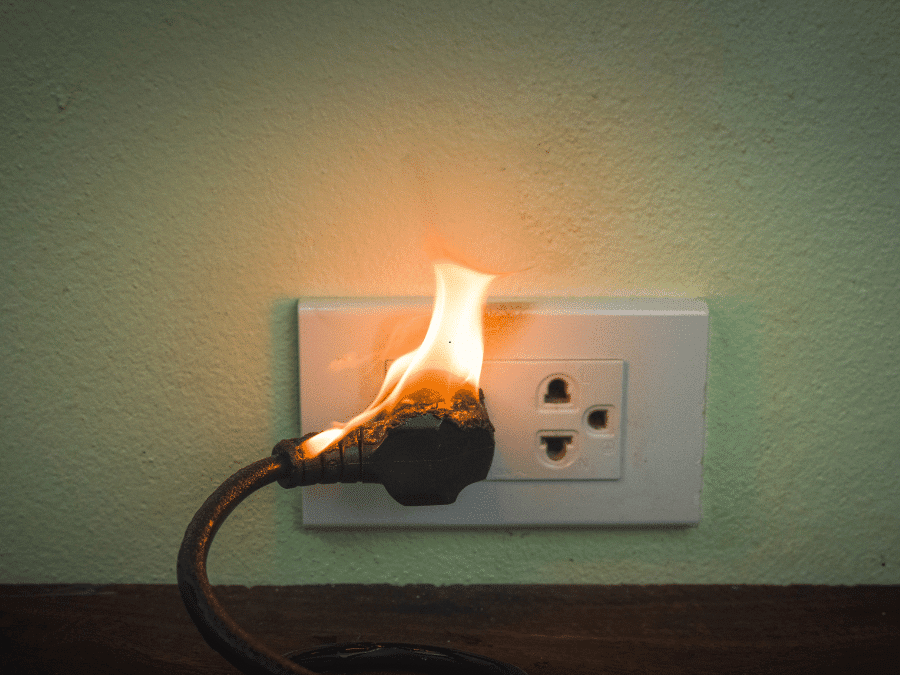
A burning smell is one of the clearest warning signs that something may be wrong with your electrical system.
If you smell burning plastic, hot insulation, or overheated electrical components, the issue should be investigated quickly.
Possible causes include overheated wiring, loose connections, damaged outlets, or problems inside the electrical panel.
Electrical components should not produce noticeable heat or unusual smells during normal operation.
Some homeowners wait until they see smoke before taking action. However, electrical problems often provide warning signs before reaching that stage. A strange smell can indicate that a component is already overheating.
Warm or Discoloured Outlets
Electrical outlets should normally feel neutral or slightly cool. A warm outlet, dark marks around the faceplate, melted plastic, or discoloration can indicate an electrical problem.
Common causes include loose connections, overloaded circuits, damaged receptacles, or poor installation.
This issue deserves extra attention in older homes where outlets may have been used for many years.
An outlet is only the visible part of the electrical system. Behind it are wires and connections that carry electricity through your home.
If an outlet feels hot, makes crackling sounds, or shows signs of damage, avoid using it until it has been checked.
Buzzing Sounds From Your Electrical Panel
Your electrical panel should operate quietly. A buzzing or humming sound from the panel should not be ignored.
Possible causes include loose connections, damaged breakers, or electrical components under stress.
While some very quiet sounds may be normal in certain situations, noticeable buzzing, crackling, or clicking sounds require professional attention.
The electrical panel is the centre of your home’s power system. Problems in this area can affect multiple circuits throughout the property.
Read More: Hot Tub Electrical Requirements in BC: A Homeowner’s Guide
Old Electrical Panels in Vancouver Homes
Many older Vancouver homes were built when electrical demand was much lower than it is today.
A system designed decades ago may now be supporting appliances and technology that were never considered during the original installation.
Signs that your electrical panel may need attention include frequent breaker trips, limited available circuits, outdated equipment, or plans to add major electrical loads.
Homeowners planning renovations, installing an EV charger, adding a heat pump, or upgrading appliances should understand their home’s electrical capacity before starting work. Understanding the electrical inspection cost can also help homeowners plan their budget before scheduling a professional assessment.
A professional assessment can help determine whether your current system is suitable for future upgrades.
Extension Cords and Power Bars Used as Permanent Solutions
Extension cords and power bars are useful temporary solutions, but they are not designed to replace proper electrical installation.
A common issue in homes is using multiple power bars for entertainment systems, home offices, workshops, or basement areas.
Problems can occur when too many devices are connected to one source or when extension cords are placed under carpets, behind furniture, or in areas where they can become damaged.
If you regularly need extension cords to power everyday devices, your home may need additional outlets or electrical upgrades.
Missing Grounding and GFCI Protection
Older homes may not have the same electrical protection features required in newer construction.
Grounding and GFCI protection help reduce the risk of electrical shock, especially in areas where electricity and moisture are present.
Important areas include kitchens, bathrooms, garages, outdoor outlets, and laundry spaces.
If your home has older outlets or you are unsure whether proper protection exists, an electrical inspection can identify potential safety concerns.
Electrical Problems During Home Renovations
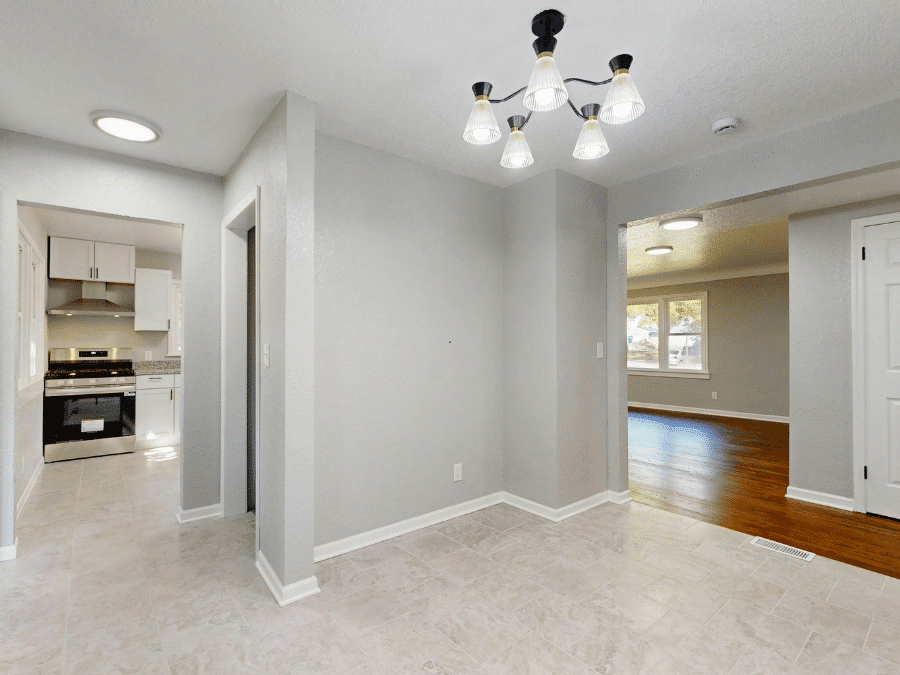
Renovations are one of the most common times homeowners discover electrical issues.
Adding a new kitchen, finishing a basement, installing a hot tub, upgrading lighting, or preparing for an EV charger can significantly change the electrical requirements of a home. Proper safety wiring for EV charger should also be considered during the renovation planning process to ensure the electrical system can safely support the additional demand.
A renovation is also an opportunity to correct outdated wiring, improve safety, and plan for future electrical needs.
Many homeowners focus on finishes such as flooring, cabinets, and paint while overlooking electrical planning.
| Electrical Problem | Possible Cause | Why You Should Not Ignore It | Recommended Action |
|---|---|---|---|
| Flickering lights | Loose connections, overloaded circuits, aging wiring | May indicate stress on your electrical system and can worsen over time | Have the circuit inspected by a licensed electrician |
| Breaker keeps tripping | Overloaded circuit, short circuit, faulty appliance | The breaker may be protecting your home from a larger electrical issue | Find the cause instead of repeatedly resetting it |
| Burning smell from outlets or panel | Overheated wiring, loose connections, damaged components | Can indicate overheating and potential fire risk | Stop using the affected area and request an electrical inspection |
| Warm or discoloured outlets | Loose wiring, damaged receptacle, excessive electrical load | Heat buildup can damage wiring behind the wall | Avoid using the outlet until it is checked |
| Buzzing electrical panel | Loose connections, damaged breakers, stressed components | May affect multiple circuits in your home | Schedule an inspection of your electrical panel |
| Too many extension cords | Lack of sufficient outlets or outdated electrical layout | Temporary solutions can become safety hazards | Consider adding new outlets or upgrading electrical wiring |
| No GFCI protection | Older electrical installation | Increased risk in kitchens, bathrooms, garages, and outdoor areas | Upgrade outlets to current safety standards |
| Electrical issues during renovation | Increased power demand from new appliances or systems | Existing wiring may not support new upgrades | Plan electrical work before completing renovations |
When Should You Call an Electrician?
You should contact a licensed electrician if you notice burning smells, sparks, repeated breaker trips, hot outlets, buzzing panels, unexplained power loss, or concerns about old wiring.
It is also a good idea to request an electrical assessment before major renovations or adding high-demand equipment.
Trying to diagnose electrical problems without proper training can create additional risks. A professional electrician can identify the cause, explain the options, and recommend a safe solution.
Conclusion
Electrical problems are easier and safer to address when they are found early. Small warning signs such as flickering lights, unusual smells, or repeated breaker trips can provide valuable information about the condition of your home’s electrical system.
Vancouver homes vary widely in age and electrical design. Whether you live in an older property or a recently renovated home, keeping your electrical system in good condition helps protect your family, appliances, and investment.
If you notice electrical issues in your home, scheduling an inspection with a qualified electrician can help you understand the problem before it becomes a larger repair.
Frequently Asked Questions About Electrical Problems in Vancouver Homes
What are the most common electrical problems in Vancouver homes?
The most common electrical problems in Vancouver homes include flickering lights, frequently tripping breakers, warm outlets, outdated electrical panels, buzzing sounds, and overloaded circuits. These issues are especially common in older homes that were not designed for today’s electrical demands.
Why do my lights flicker when I turn on appliances?
Lights may flicker when large appliances start because of overloaded circuits, loose electrical connections, voltage fluctuations, or an electrical system that cannot handle the current demand. A recurring issue should be inspected by a licensed electrician.
How do I know if my electrical panel needs an upgrade?
Signs that your electrical panel may need an upgrade include frequent breaker trips, buzzing sounds, limited available circuits, outdated equipment, or plans to install high-demand systems such as an EV charger, heat pump, or additional appliances.
Is a breaker that keeps tripping dangerous?
A breaker that repeatedly trips should not be ignored. It may indicate an overloaded circuit, short circuit, faulty appliance, or wiring problem. The breaker is often protecting your home from a more serious electrical issue.
What does a burning smell from an outlet mean?
A burning smell from an outlet, switch, or electrical panel may indicate overheated wiring, loose connections, or damaged electrical components. Turn off the affected equipment if it is safe to do so and have the issue inspected.
Can old Vancouver homes have electrical safety problems?
Yes. Many older Vancouver homes have electrical systems that were installed before modern appliances and technology became common. Issues such as outdated panels, insufficient circuits, and old wiring may need professional evaluation.
When should I call an electrician for electrical problems?
You should contact an electrician if you notice burning smells, sparks, repeated breaker trips, hot outlets, buzzing panels, unexplained power loss, or electrical issues during a renovation.