
You call to renew your home insurance, and instead of the usual quick call, the underwriter asks about your electrical panel. A word comes up that you may not recognize: FPE, Federal Pacific, Federal Pioneer, or Zinsco.
A few days later, a letter arrives saying your policy will not renew unless the panel is replaced, or that your new application has been denied outright. This is how many Metro Vancouver homeowners first run into insurance problems with FPE and Zinsco panels. Once that letter shows up, the timeline matters.
At Trigger Electric, we handle panel replacements for this exact situation regularly, so we know what insurers often ask for before you call them back.
Why FPE and Zinsco Panels Trigger Insurance Red Flags
Insurers do not flag these panels just because they are old. FPE, Federal Pacific, Federal Pioneer, and Zinsco panels have all been reviewed closely because of concerns around breaker reliability and fire risk.
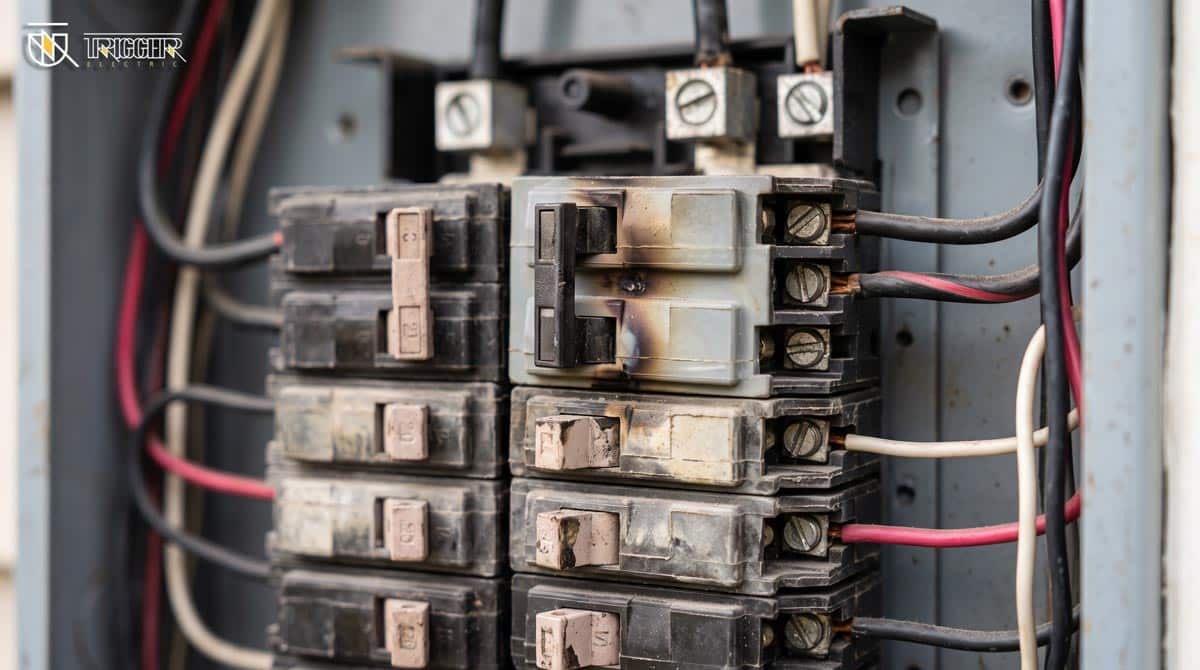
The concern is simple: a breaker is supposed to trip when a circuit is overloaded or shorted. If it does not trip correctly, the wiring can stay energized during a fault.
The two panel groups are different, and the failure concerns are different too:
- FPE / Federal Pacific / Stab-Lok: Some independent testing of FPE Stab-Lok breakers has reported high failure rates under certain overload and short-circuit conditions. The concern is that a breaker may not trip when it should.
- Zinsco / Sylvania-Zinsco: Breakers can overheat, lose proper contact, or fuse to the bus bar. In some cases, a breaker may appear to be switched off while the circuit remains energized.
| Panel Type | Main Concern | What It Can Mean |
|---|---|---|
| FPE / Federal Pacific / Stab-Lok | Breaker may fail to trip | Circuit can stay energized during a fault |
| Zinsco / Sylvania-Zinsco | Breaker or bus bar damage | Breaker may overheat, arc, or fail to disconnect power properly |
This is why insurance issues with FPE and Zinsco panels are common for older homes in Metro Vancouver. Insurers treat these panels as higher-risk because of documented breaker failure concerns and the potential fire hazards linked to those failures. It is not just about an old panel looking unfamiliar. It is about whether the breaker can do its job when it matters.
Denied, Cancelled, or Non-Renewed? Know the Difference
These three words are often used as if they mean the same thing, but they create very different problems for a homeowner.
- Denial: You are applying for a new home insurance policy, and the insurer will not write coverage because of the panel.
- Cancellation: An active policy is ended mid-term, often after an inspection, claim, or underwriting review identifies the panel.
- Non-renewal: Your current policy stays valid until it expires, but the insurer will not renew it unless the panel is replaced first.
In our experience with Metro Vancouver homes, non-renewal is what we see most often. It usually gives the homeowner a short window to replace the panel and submit documentation before coverage lapses.
That window can shrink quickly once you factor in scheduling, permits, utility coordination if required, and final inspection sign-off.
One BC-specific detail is worth knowing. In some Canadian homes, the panel may be labelled Federal Pioneer rather than Federal Pacific or FPE. Many insurers still review these Stab-Lok style panels closely, so it is worth confirming the exact label and breaker type with a licensed electrician.
Whichever letter landed in your mailbox, do not wait. The deadline may be based on the date the notice was issued, not the date you finally opened it.
What to Do the Moment You Are Flagged
The instinct to panic or ignore the letter are both the wrong move. The fastest path is to confirm the panel, clarify the insurer’s requirement, and get the right paperwork started.
- Confirm the panel type. Do not rely only on the wording in the insurance letter. Open the panel door and check the label if it is safe to do so, or have a licensed electrician confirm it. Misidentified panels do happen.
- Call your insurer or broker before booking the work. Ask exactly what they need to see. Some carriers want full panel replacement. Others may ask for an inspection first. Get the requirement in writing if possible.
- Get a written quote from a licensed electrician. A verbal estimate is rarely enough. Insurers and brokers often want a written quote, invoice, inspection record, or completion letter on file.
- Compare the deadline with realistic scheduling. Permits and inspections in Metro Vancouver can add time, so do not wait until the last few days of your window.
Before booking anything, it is worth asking the right questions. Our guide on what to ask before calling an electrician about a panel upgrade walks through what to check before you commit.
One mistake we see often is assuming that a partial fix, such as swapping a few breakers, will satisfy the insurer. Many insurers will not accept a breaker-only repair and may require the entire panel to be replaced because the concern is tied to the panel and breaker design, not just one individual breaker.
Panel Replacement: What Insurers Actually Want to See
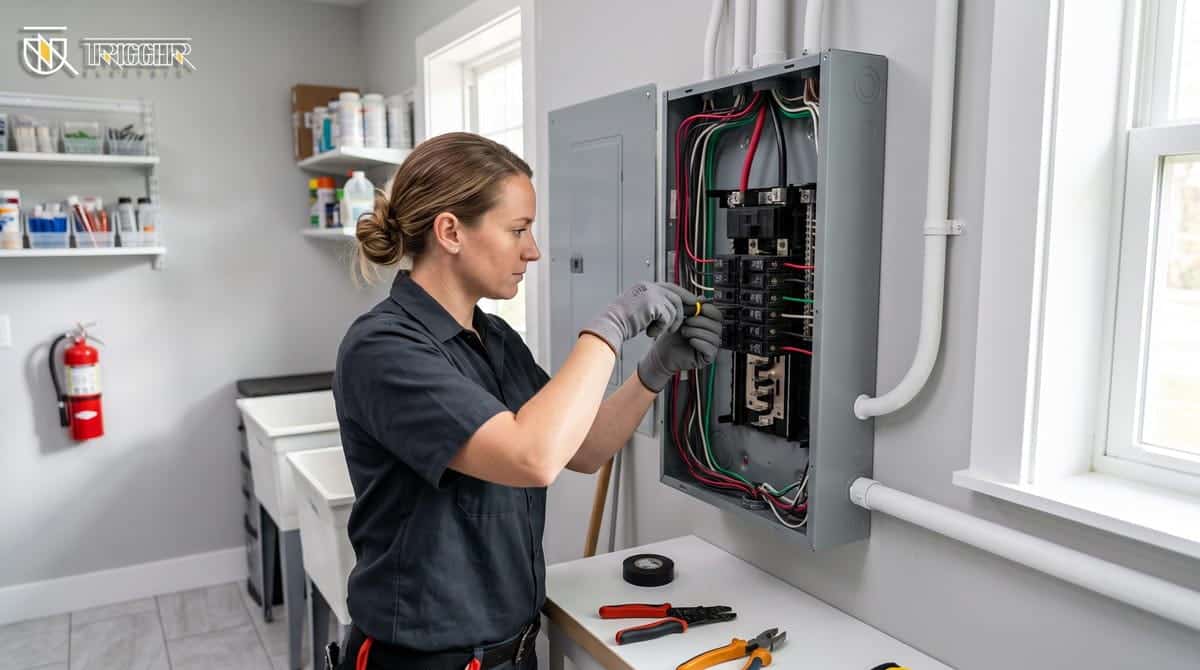
A finished panel replacement is usually not enough on its own. Insurers often want documentation proving the old panel was removed and the new installation was completed properly.
- A permit pulled for the work, where required
- A final inspection or approval record
- An electrician’s letter or invoice stating that the old panel was replaced
- Photos of the new panel, if requested by the insurer or broker
Not sure what you are actually dealing with yet? Our guide on electrical inspection costs in Metro Vancouver is a good starting point.
One detail that trips people up: an open permit with no final inspection or approval may not satisfy the underwriter. Before you send paperwork back, make sure the job is fully documented and the required inspection process is complete.
How Much Does It Cost to Replace an FPE or Zinsco Panel in Metro Vancouver?
The cost depends on the existing service size, panel location, permit requirements, grounding and bonding conditions, available space, and whether the project is a like-for-like replacement or a service upgrade.
| Type of Replacement | Typical Cost Range |
|---|---|
| Like-for-like panel replacement | $2,500 – $4,500 |
| Upgrade to 200A service | $4,000 – $6,500+ |
A like-for-like replacement is usually faster if your current service size still fits your home’s needs. But if you are already planning an EV charger, heat pump, hot tub, suite, workshop, or major renovation, upgrading now may be more practical than paying for two separate electrical projects later.
The best next step is to have the panel and service assessed before assuming which option you need. Some homes only need the unsafe panel replaced. Others are better candidates for a full service upgrade.
Can You Keep Your Insurance Without Replacing the Panel?
Sometimes, but it is rarely a long-term solution.
A small number of specialty insurers may still write coverage on homes with FPE, Federal Pioneer, or Zinsco panels, often at a higher premium or with stricter conditions. Some standard insurers may offer a short grace period instead of an immediate denial or non-renewal.
Those options do not remove the electrical risk. Even if you find coverage now, the same panel may come up again at your next renewal, during a home sale, or when a buyer’s inspector flags it.
For many homeowners, replacement is the cleaner path. A modern panel can resolve the insurance concern, improve safety, and create a better foundation for future electrical needs such as EV charging, heat pumps, and larger appliance loads.
Quick Checklist Before You Call Your Insurer Back
If your insurer has flagged an FPE, Federal Pioneer, or Zinsco panel, gather these details before calling them back:
- The exact panel label shown inside the panel door
- Any wording in the insurer’s letter about replacement, inspection, or deadline
- The renewal, cancellation, or response deadline
- Whether the insurer wants photos, a quote, a permit record, or a completion letter
- Whether your home may need a like-for-like panel replacement or a larger service upgrade
Having this information ready makes the next call easier and helps your electrician provide the right quote the first time.
Conclusion
A flagged electrical panel does not have to turn into a lost policy or a stressful scramble against a deadline. Once you know whether you are dealing with a denial, cancellation, or non-renewal, the next step is to confirm the panel type and find out exactly what your insurer needs on paper.
FPE, Federal Pioneer, and Zinsco panels are not the same product, but they are often treated as serious insurance concerns because of breaker reliability and fire-risk issues. In many cases, the cleanest fix is a documented panel replacement completed by a licensed electrician.
If one of these panels has been flagged in your Metro Vancouver home, Trigger Electric can confirm what you are working with, complete the replacement, and provide the documentation your insurer or broker may ask for.