Knob and tube wiring, commonly found in homes built before the 1950s, can present serious safety risks. As a result, many insurance companies are hesitant to provide coverage for homes that still have this outdated electrical system. If you’re a homeowner with knob and tube wiring, it’s essential to understand how it affects your insurance options and what steps you can take to ensure your home is adequately protected.
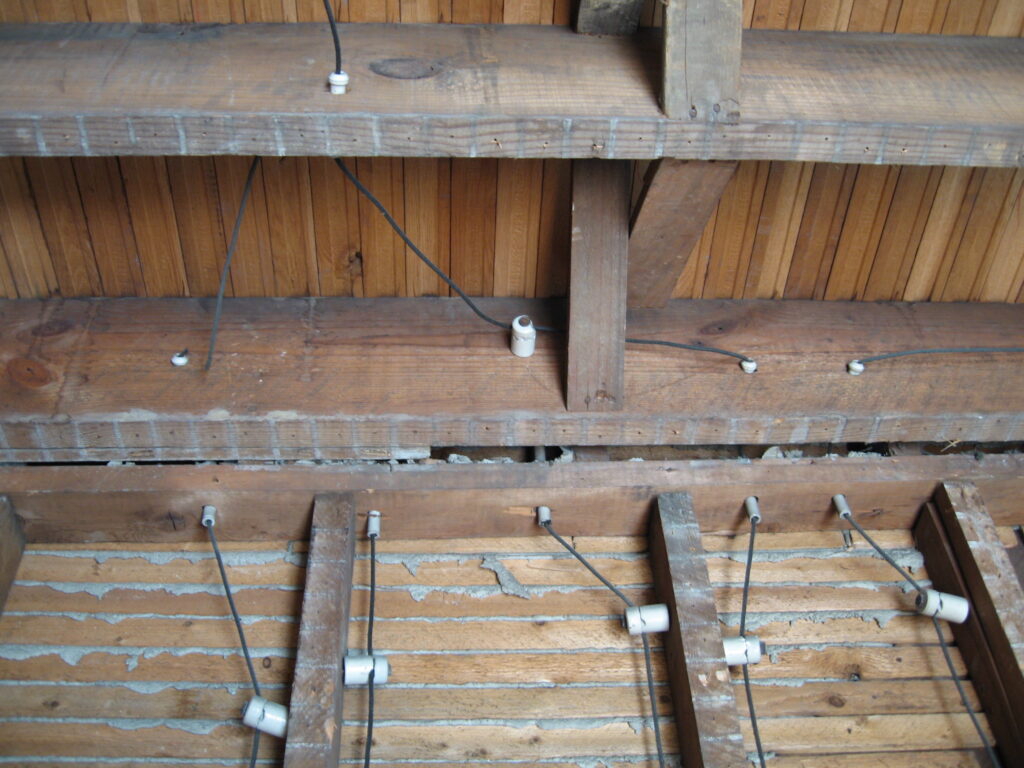
Why Is Knob and Tube Wiring a Concern for Insurers?
Insurance providers often view knob and tube wiring as a fire hazard due to several factors:
- Lack of Grounding: Unlike modern electrical systems, knob and tube wiring does not have a grounding wire, increasing the risk of electrical shocks and fires.
- Aging and Deterioration: Many of these systems are over 70 years old, making them prone to insulation breakdown and overheating.
- Inadequate for Modern Electrical Loads: Homes today use significantly more electricity than when knob and tube wiring was installed, leading to overloaded circuits.
- Alterations and DIY Modifications: Over the years, many homeowners have made unsafe modifications to these systems, further increasing the risk of electrical failures.
Can You Get Home Insurance with Knob and Tube Wiring?
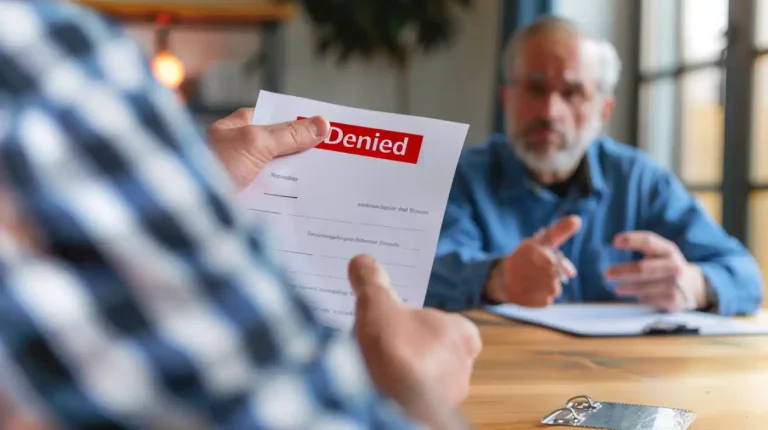
Securing home insurance with knob and tube wiring can be challenging. Some insurers may refuse coverage outright, while others may offer it under strict conditions, such as:
- An Electrical Inspection: Insurers may require an inspection by a licensed electrician to assess the condition of your wiring.
- Upgrades or Replacements: You may need to partially or fully replace the system before obtaining coverage.
- Higher Premiums: If an insurer does offer coverage, expect to pay higher premiums due to the increased risk.
For more details on how insurance providers handle homes with knob and tube wiring, check out this comprehensive guide from Square One.
What Are Your Options?
If your home still has knob and tube wiring, consider the following steps:
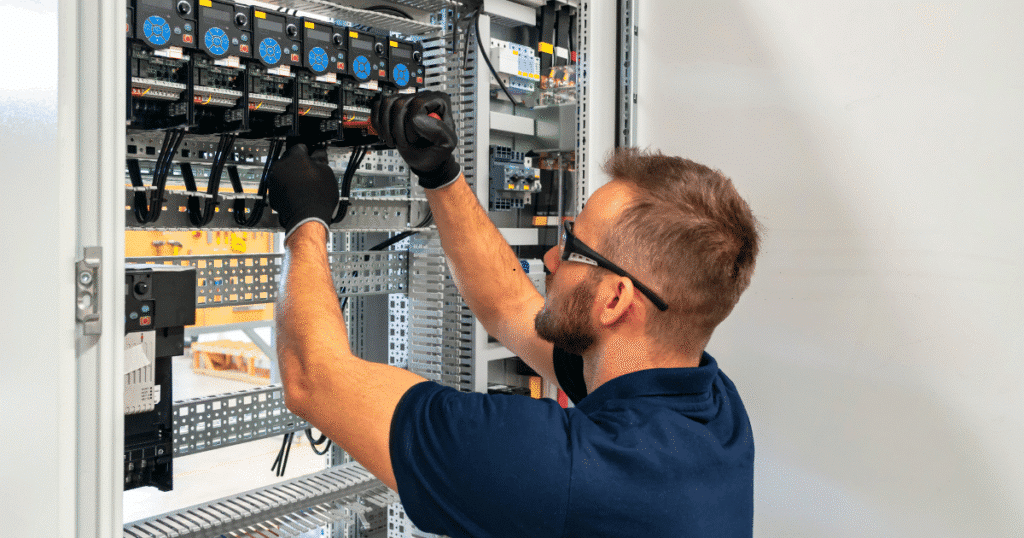
- Get a Professional Inspection: A certified electrician can evaluate your system and recommend necessary upgrades.
- Upgrade to Modern Wiring: Replacing knob and tube wiring with modern alternatives improves safety and increases your chances of getting better insurance rates.
- Find a Specialized Insurer: Some insurers specialize in older homes and may offer coverage if safety measures are in place.
- Install Safety Features: Adding AFCI breakers, smoke detectors, and surge protectors can help mitigate risks and make your home more insurable.
Replacing Knob and Tube Wiring: A Smart Investment
Beyond insurance concerns, upgrading from knob and tube wiring is a long-term investment in your home’s safety and value. If you’re considering a replacement, our team at Trigger Electric specializes in safe and efficient wiring upgrades. We ensure your home meets modern electrical standards while improving overall safety and functionality.
Final Thoughts
Knob and tube wiring can be a significant barrier to getting affordable home insurance. While some insurers may still offer coverage, it’s often at a higher cost or with strict conditions. Upgrading your wiring not only makes your home safer but also expands your insurance options and boosts property value. If you’re dealing with knob and tube wiring, reach out to a professional electrician to explore the best solution for your home.