In today’s technology-driven world, the backbone of any modern office lies in its ability to seamlessly support communication, data transfer, and digital collaboration. This is where structured cabling comes into play. A well-designed cabling infrastructure not only enhances day-to-day operations but also lays the foundation for future scalability, ensuring businesses can adapt and grow as new technologies emerge. Whether it’s facilitating smooth video conferencing, supporting advanced telecommunication systems, or ensuring high-speed internet connectivity, structured cabling is crucial for keeping a modern workspace efficient and connected.
What is Structured Cabling?
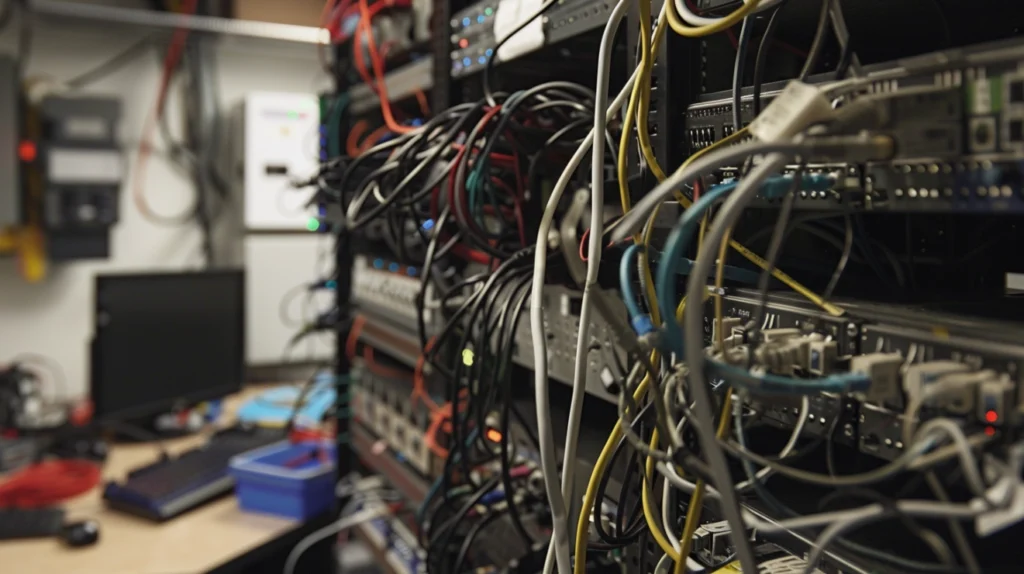
Structured cabling refers to a standardized approach for the design and installation of a cabling system that supports various hardware uses and provides a comprehensive telecommunications infrastructure. This system includes multiple smaller elements like cables, racks, and connectors that are organized to handle all of an organization’s communication needs, from telephone systems to high-speed data transmission. Unlike a traditional point-to-point setup, which can lead to a disorganized web of wires, structured cabling ensures that everything is neatly arranged, labeled, and optimized for performance.
Why is Structured Cabling Essential for Modern Offices?
- Scalability and Flexibility: As your business grows, so does the demand on your network. Structured cabling provides a flexible solution that can easily accommodate additions and changes. Need to install more workstations or add new devices? With structured cabling, these adjustments are straightforward, avoiding costly rewiring or significant disruptions.
- Reduced Downtime and Troubleshooting: A poorly organized cabling system can be a nightmare to manage, leading to increased downtime during maintenance or troubleshooting. Structured cabling simplifies the process by clearly segmenting each area of your network, making it easy to identify and resolve issues quickly. This efficiency translates into less downtime and fewer interruptions for your team.
- Improved Aesthetics and Organization: Structured cabling eliminates the mess of tangled wires, making your office environment not only safer but also more visually appealing. Neatly arranged cables, organized racks, and labeled ports contribute to a professional look and reduce the risk of accidents like tripping or electrical fires.
- Future-Proofing Your Infrastructure: Technology is evolving at a rapid pace, and businesses need a cabling infrastructure that can keep up. Structured cabling systems are designed to support future upgrades, ensuring that when you adopt new technologies, your network remains compatible and efficient without requiring a complete overhaul.
- Cost-Effective Solution: While the initial investment in structured cabling may seem higher than traditional setups, it pays off in the long run. With reduced maintenance costs, easier troubleshooting, and the ability to expand without expensive reconfigurations, structured cabling is a smart investment that offers long-term savings.
Structured Cabling Solutions by Trigger Electric
At Trigger Electric, we understand the unique needs of modern businesses and offer Data and Communication Cabling Solutions that are tailored to your office’s specific requirements. Our team of experienced technicians provides comprehensive services, from initial design and planning to installation and ongoing maintenance. Whether you’re setting up a new office or upgrading your existing infrastructure, our goal is to deliver a reliable and scalable cabling system that supports your business now and in the future.
Structured Cabling: Understanding the Core Components
A Breakdown of Structured Cabling Components
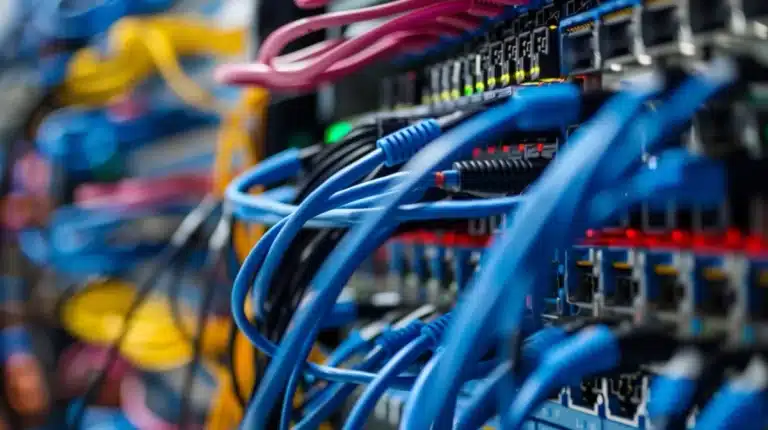
Structured cabling is more than just wires connecting devices; it’s a comprehensive system that involves various key components working together to create a robust and reliable network. Each element plays a crucial role in maintaining connectivity, ensuring safety, and enabling smooth data transmission in a modern office setting. Below is a breakdown of the essential components that form a complete structured cabling system.
| Component | Description | Importance in Structured Cabling |
|---|---|---|
| Horizontal Cabling | Wiring that runs from the telecommunications rooms to individual workstations or devices. | Horizontal cabling forms the basic layout of the network, connecting each workstation and device in a structured manner, enabling easy management and scalability. |
| Backbone Cabling | Cables that interconnect different telecommunications rooms, entrance facilities, and equipment rooms. | Backbone cabling provides the main pathways for data transmission across floors or sections of an office, ensuring that each area remains interconnected and accessible. |
| Patch Panels | Panels with multiple ports that connect incoming and outgoing cables in an organized manner. | Patch panels simplify network management by keeping connections organized and providing a central point for making changes or troubleshooting issues. |
| Racks and Cabinets | Structured enclosures to house servers, switches, and other networking equipment. | These keep all cabling and equipment neatly arranged, reduce clutter, and offer protection for sensitive hardware, contributing to an overall efficient structured cabling system. |
| Faceplates and Connectors | Outlets installed at workstations where devices can plug into the structured cabling system. | Faceplates and connectors facilitate a clean and professional appearance while providing secure, reliable connection points for computers, phones, and other devices. |
| Cable Management Systems | Accessories like cable trays, ties, and labels to keep cabling organized. | These components are critical for maintaining neatness and safety, reducing the risk of damage, tangling, or disconnections, and ensuring easy identification during troubleshooting. |
| Grounding and Bonding | Systems that protect the network from electrical surges and interference. | Grounding and bonding are essential for safety and longevity, preventing electrical hazards and minimizing the risk of data loss due to power surges. |
Structured Cabling and System Integration
In a modern office, each of these structured cabling components integrates with various electrical systems to create a cohesive network that supports both data transmission and power distribution. A reliable structured cabling system ensures smooth operations and lays the foundation for future upgrades.
Structured Cabling Ensures Network Reliability
Choosing a well-designed structured cabling system is critical for maintaining consistent and reliable network performance. By understanding the core components and how they interact, businesses can ensure their office remains efficient and prepared for any future technological advancements.
Conclusion
In an era where connectivity is the lifeline of business operations, having a robust and well-organized cabling infrastructure is more critical than ever. Structured cabling not only supports today’s technology but also sets the stage for future advancements, making it an indispensable component of any modern office. If your office needs an upgrade or if you’re looking to optimize your current setup, consider investing in structured cabling solutions to improve efficiency, reduce costs, and ensure your business is ready for whatever the future holds.