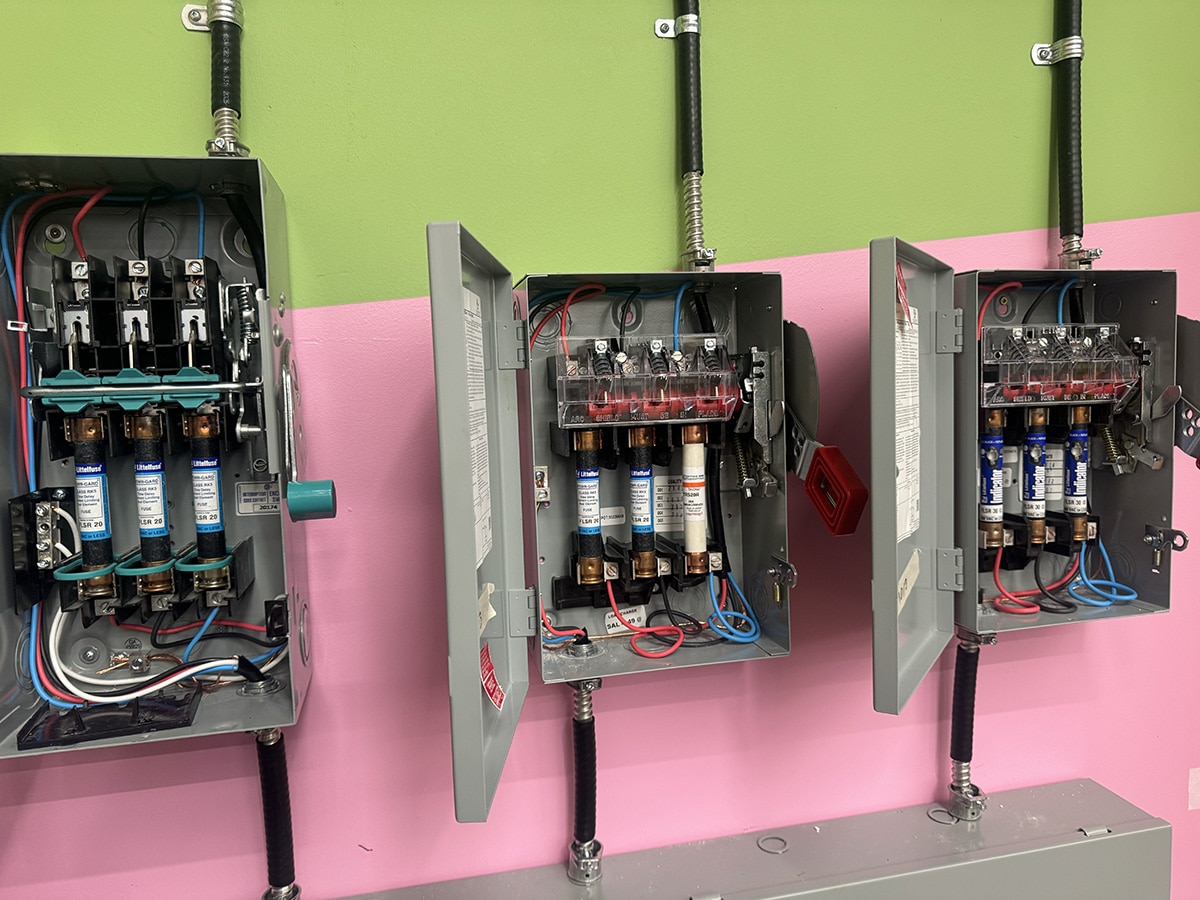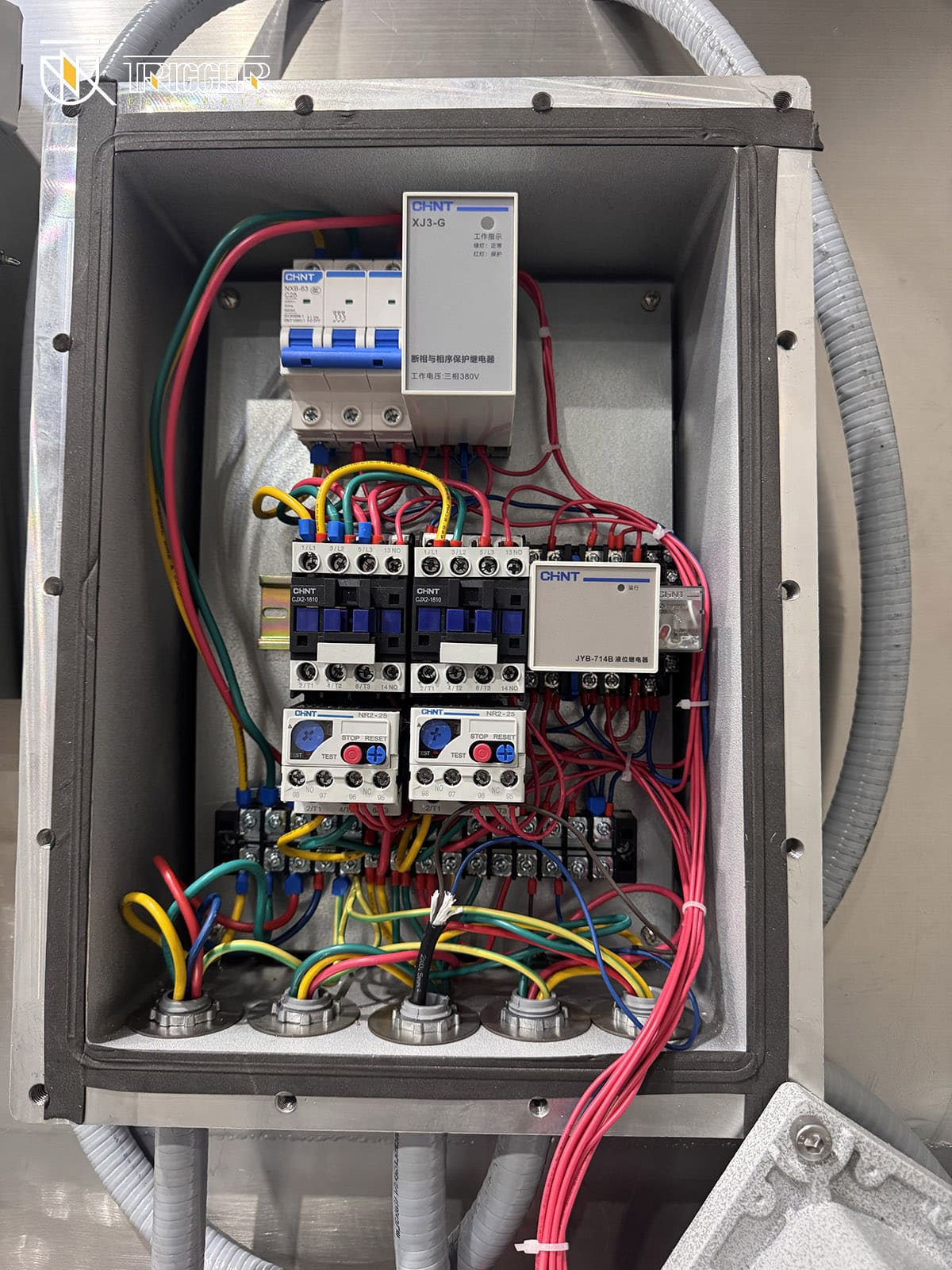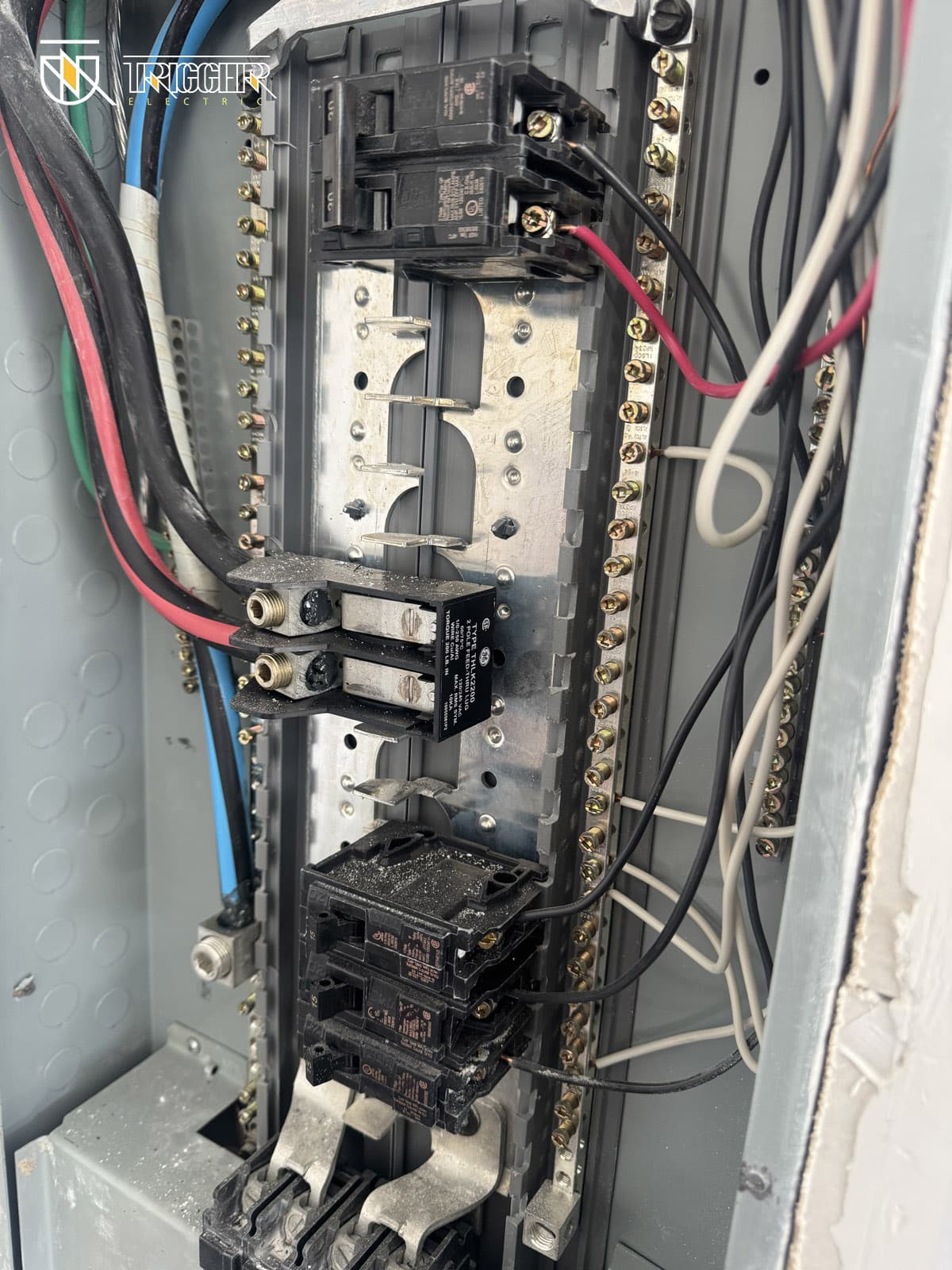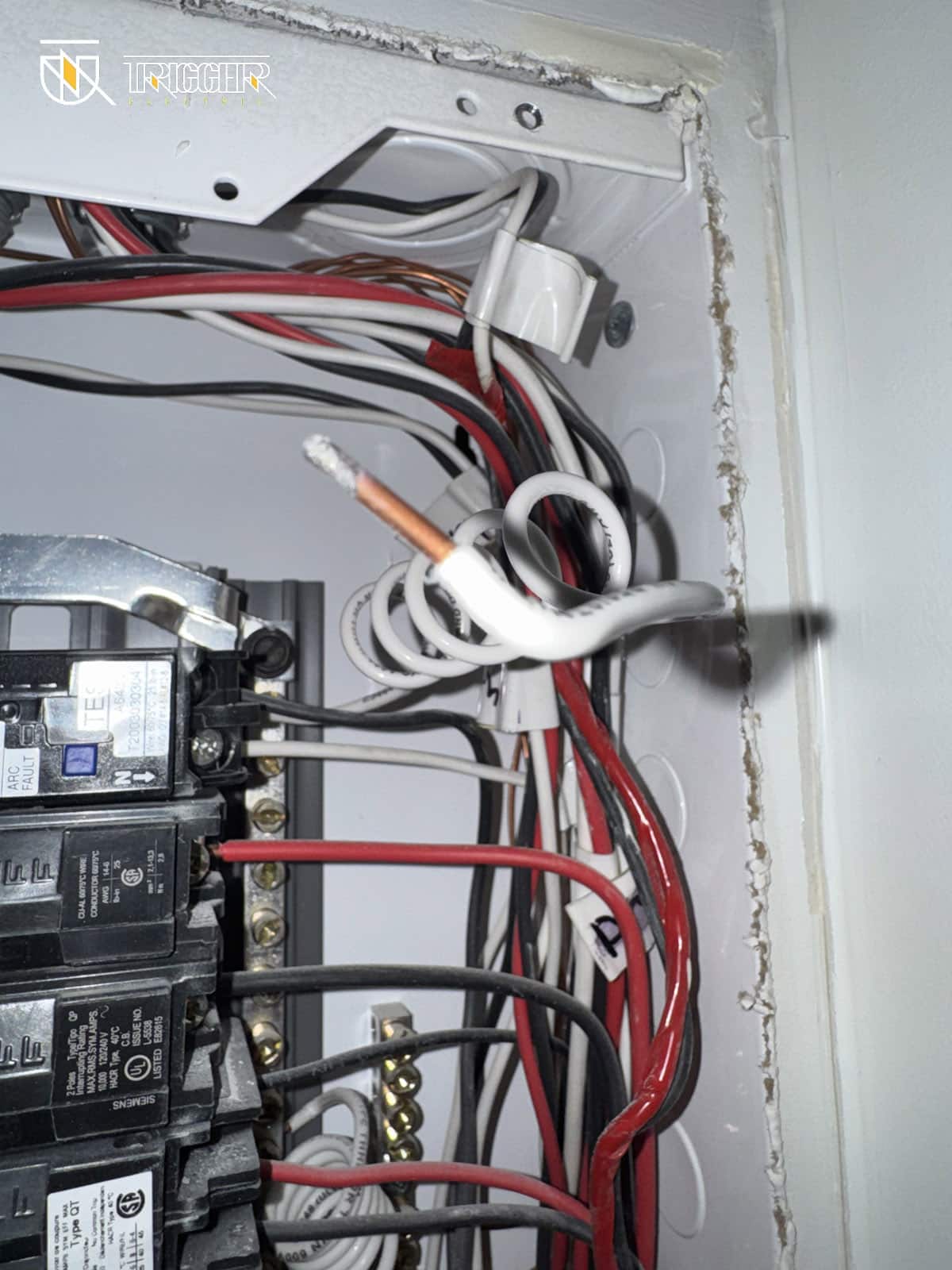



Two Very Different Vancouver Homes, Two Very Different Panel Problems
Panel problems in Vancouver split sharply along geographic lines, depending on when your neighbourhood was built out.
| West Side (Kitsilano, Dunbar, Point Grey, Shaughnessy, Mount Pleasant) | East & South Vancouver (Renfrew-Collingwood, Sunset, Killarney, Victoria-Fraserview) | |
| Typical home era | 1910s–1940s character homes | 1965–1985 Vancouver Specials |
| Wiring risk | Active knob-and-tube, ungrounded | Aluminum branch wiring, oxidizing connections |
| Original service | 60A fuse panel | 60A–100A breaker panel |
| Main driver for upgrade | Insurance flagging, no grounding | Undersized for modern loads, secondary suites |
Note: this reflects general neighbourhood patterns, actual panel type and wiring depend on the specific property.
Why So Many Need an Upgrade
With over 10,000 units across the city, the Vancouver Special is the single most common home type we upgrade panels for. The layout itself is usually the trigger:
- Original 60A service, occasionally 100A on later builds
- Ground floor built as a self-contained suite, doubling the household’s real power demand
- Aluminum branch wiring common through the late 1960s–mid 1970s
- Flat or low-pitch roof design leaves little room for a modern service mast without relocation
- Secondary suite tenants often add their own appliances, pushing an already-tight panel further
Laneway Houses & Secondary Suites
Vancouver’s laneway housing program means a huge share of our panel upgrade calls aren’t about an aging panel at all, they’re about adding a second, fully powered dwelling to a property that was never wired for one. A single 100A or 200A service typically can’t support a main house and a laneway house at the same time, which usually means either a larger single service with sub-metering or a split 200A/200A setup feeding both structures independently. We size this based on what BC Hydro will allow at your specific address and what the City requires for separate metering between the two units.
Condo & Strata Panel Considerations
Panel upgrades work differently once you’re in a strata building rather than a house, and it’s worth knowing which category your project falls into before requesting a quote.
- In-suite panel upgrade: Replacing the breaker panel inside your own unit is typically a straightforward job that only requires strata approval and a City permit, no coordination with other owners needed.
- Building-wide electrical capacity: If you’re adding an EV charger or high-draw appliance and your suite’s panel has no spare capacity, the limitation is often the building’s overall electrical service, not just your unit, this requires strata council involvement and sometimes a building-wide load study.
- Common issue we see: Older Vancouver strata buildings (pre-1990s) were built with modest per-unit electrical capacity, since kitchens and laundry loads were lighter than they are today. Renovation projects are the most common trigger for hitting that ceiling.
What’s Involved in a Vancouver Panel Upgrade
- New panel: 100A, 200A, or split service depending on your property
- Service mast check: inspected and replaced if corroded or undersized
- Grounding upgrade: brought up to current BC Electrical Code
- Meter base: verified or replaced for BC Hydro compatibility
- Knob-and-tube or aluminum wiring assessment: flagged and quoted separately if remediation is needed
- Load calculation: accounts for laneway houses, secondary suites, EV chargers, and future additions
- City of Vancouver permit: filed and coordinated with inspection
Choosing 100A / 200A / 400A for Your Vancouver Home
Sticking with a heritage home, no major changes planned? A 100A service can still be adequate for a small West Side character home with no EV charger or heat pump on the horizon, though most insurers will still want the knob-and-tube addressed separately.
Typical single-family home or Vancouver Special? 200A is the standard we install for most Vancouver houses, including those with a secondary suite, it covers an EV charger, heat pump, and modern kitchen without strain.
Adding a laneway house, multiple EVs, or a larger renovation? This is where a 400A service, or a split 200A/200A setup, comes in, sized specifically around how the property’s total load is distributed across structures.
Permits in the City of Vancouver
Vancouver is one of the few places in Metro Vancouver that doesn’t route electrical permits through Technical Safety BC. Panel upgrades here go through the City of Vancouver’s own Development and Building Centre, which means your contractor needs to be familiar with the City’s specific application process and inspector requirements, not just the provincial code.
Good to know: if your project also involves a building permit (like a laneway house or major suite renovation), the electrical permit can’t be issued until the building permit is approved first, this affects project timelines more than it does for a standalone panel swap.
Reliable Panel Upgrades for Vancouver Homeowners
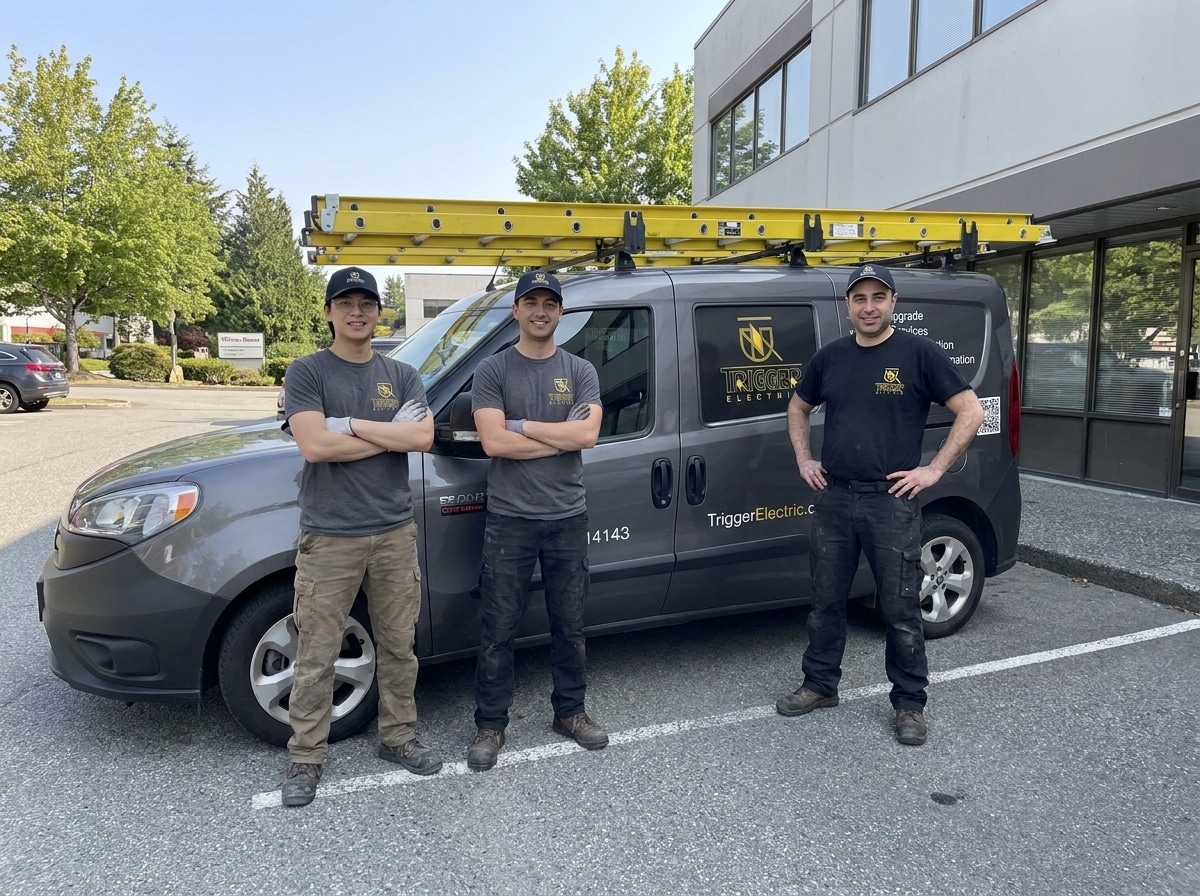
While our main operational hub is situated just next door in Burnaby, we are fully equipped and committed to serving Vancouver properties with zero hassle. It’s only about a 12 to 15-kilometer drive into the city, making it roughly a 20 to 25-minute trip depending on Kingsway or Hastings Street traffic. Our fully stocked service vans are constantly navigating Vancouver roads, from the heritage homes in Kitsilano to the growing neighborhoods of East Van. This means we can easily bridge that short distance without leaving you stuck with long contractor wait times. We understand the daily rhythm of the Lower Mainland commute, allowing our certified electricians to schedule your site assessment accurately and show up on time, every time, to get your electrical system safely up to date.
Panel Upgrade Cost in Vancouver
- On-site assessment: we inspect your panel, wiring, and service size, and check for knob-and-tube or aluminum wiring based on your home’s era
- Load calculation & quote: factoring in any laneway house, secondary suite, or planned EV charger
- Permit submission: filed directly with the City of Vancouver
- Installation day: power is disconnected (typically 4–8 hours) while we install the new panel, mast, grounding, and meter base
- Inspection & reconnection: once the City signs off, BC Hydro reconnects power